Project Gram Mitra & Pragti Mitra
Overview of the Gram Mitra Project:
SAAD Foundation launched the Gram Mitra (GM) and Pragati Mitra (PM) initiative to empower communities through awareness, access, and linkage to welfare schemes and sustainable development practices.
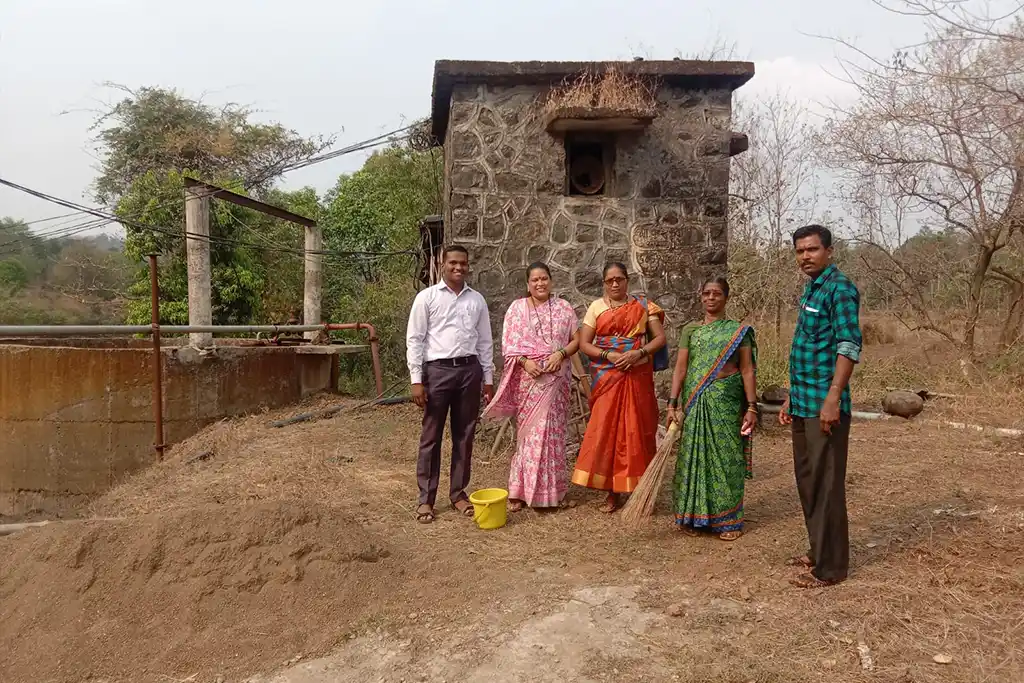
- The Gram Mitra model works in rural communities, focusing on mobilizing villagers, connecting them with government welfare schemes, and promoting food security through sustainable practices.
- The Pragati Mitra model operates in urban slum communities, addressing issues such as poor access to social entitlements, menstrual hygiene challenges among adolescent girls and women, and lack of awareness of government benefits.
Both initiatives act as grassroots catalysts for community awareness, entitlement access, and behavioral change.
Objective
- To ensure improved food and nutrition security among rural and urban low-income families.
- To enhance awareness and access to social entitlements (such as ration cards, Ayushman cards, pensions, and other welfare schemes).
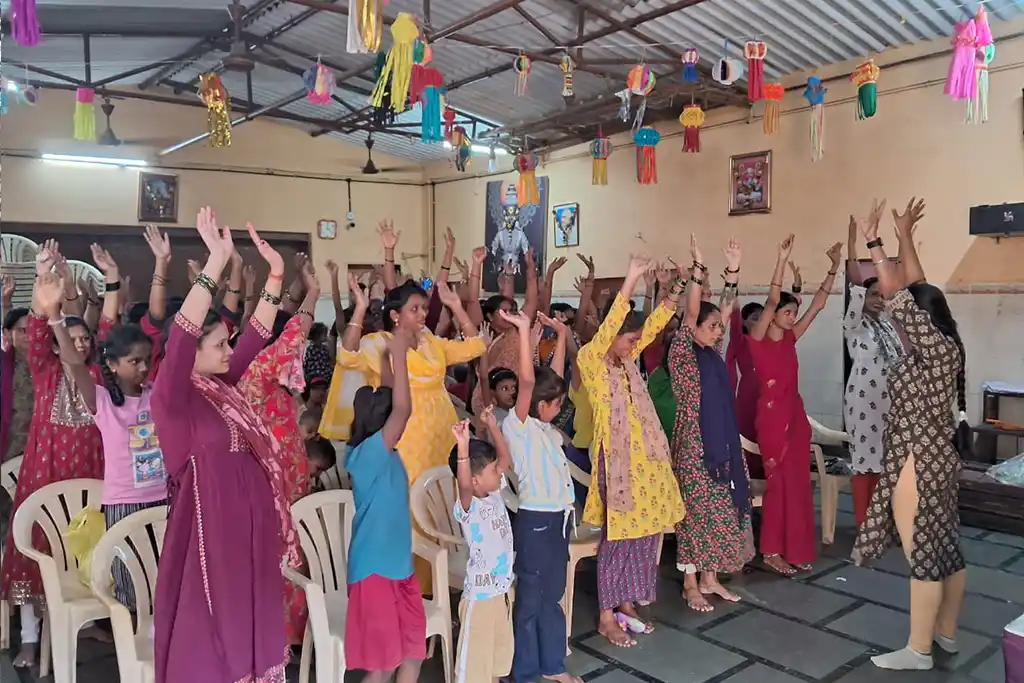
- To promote menstrual hygiene management (MHM) and break taboos associated with menstruation through education and access to safe, sustainable menstrual products.
- To develop a cadre of community volunteers (Mitras) capable of sustaining awareness and linkage efforts beyond the project period.
Area & Coverage

States Covered
Maharashtra, Gujarat, Madhya Pradesh
Regions
Maharashtra: Mumbai, Pune, Bhiwandi
Gujarat: Surat, Ahmedabad
Madhya Pradesh: Indore, Nagpur (outreach)
Community Volunteers
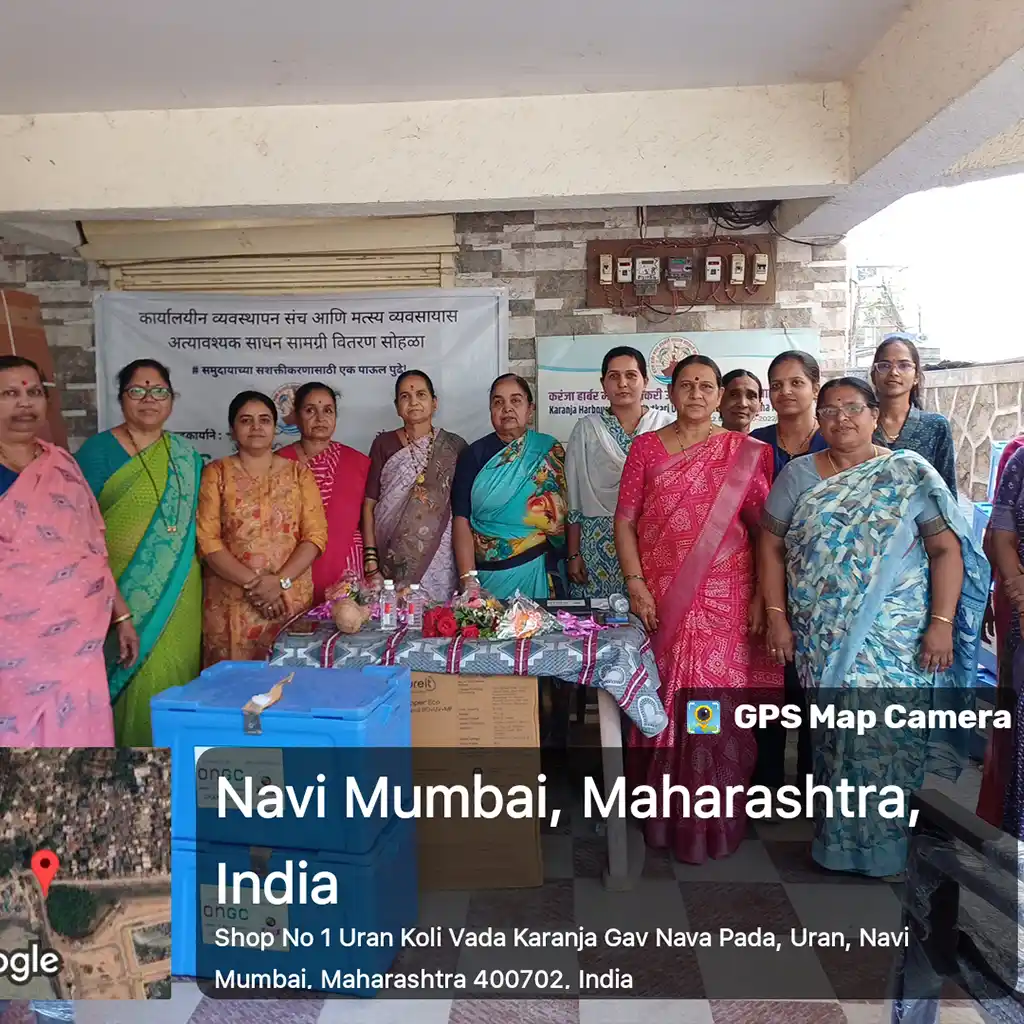
9 Gram Mitra working in rural communities
3 Pragati Mitra working in urban slum communities
Total Reach
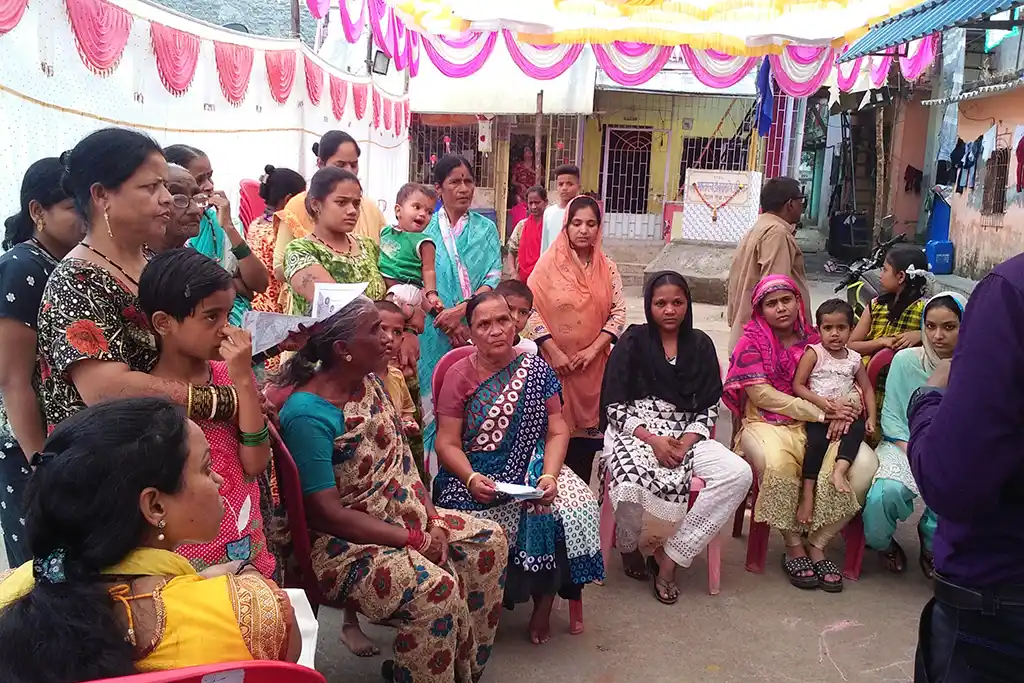
Over 8,000 households reached through awareness drives and community meetings.
More than 2,500 women and adolescent girls participated in menstrual hygiene sessions.
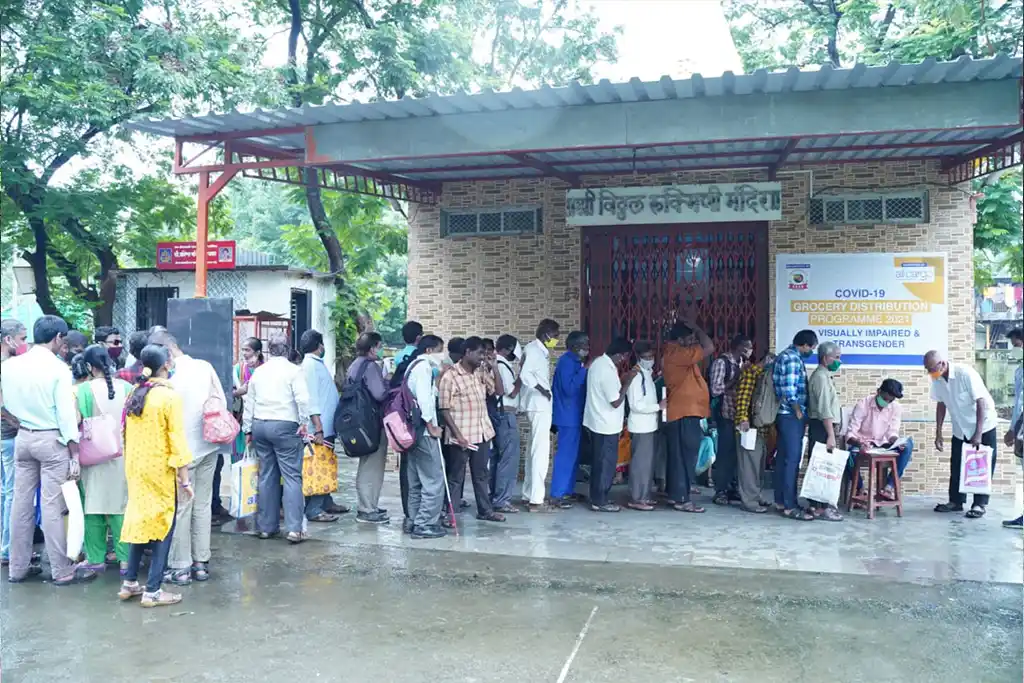
Around 1,500 individuals supported with documentation and social entitlements.
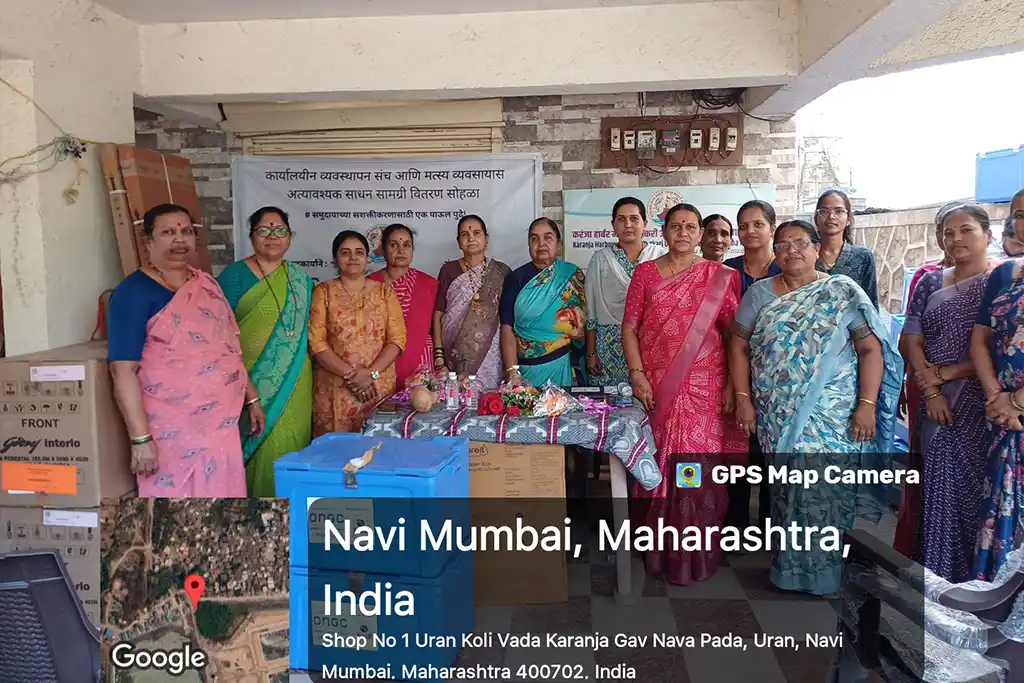
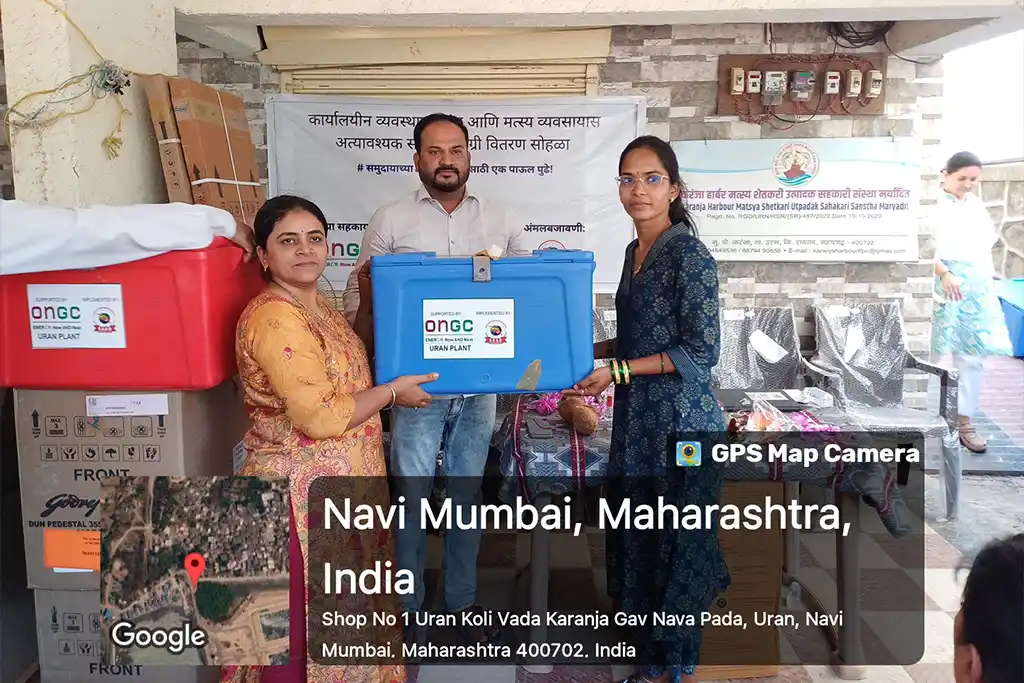
1,200 women and adolescent girls received menstrual hygiene kits including hot water bag, sanitary pads for 6 months, Dettol handwash, and napkins.
Our Impact
8,000+
Households Reached
2,500+
Women & Girls Participated
1,500+
Supported with Documentation
1,200+
Received Hygiene Kits